When it comes to the ultimate comfort food, few things can compete with a steaming bowl of lo mein noodles. Imagine long, supple egg noodles drenched in a viscous, deeply caramelized sauce that clings to every strand. This isn’t just a quick stir-fry; it is a masterclass in texture and flavor balance, designed to replicate that elusive “wok hei” or breath of the wok in your own kitchen.
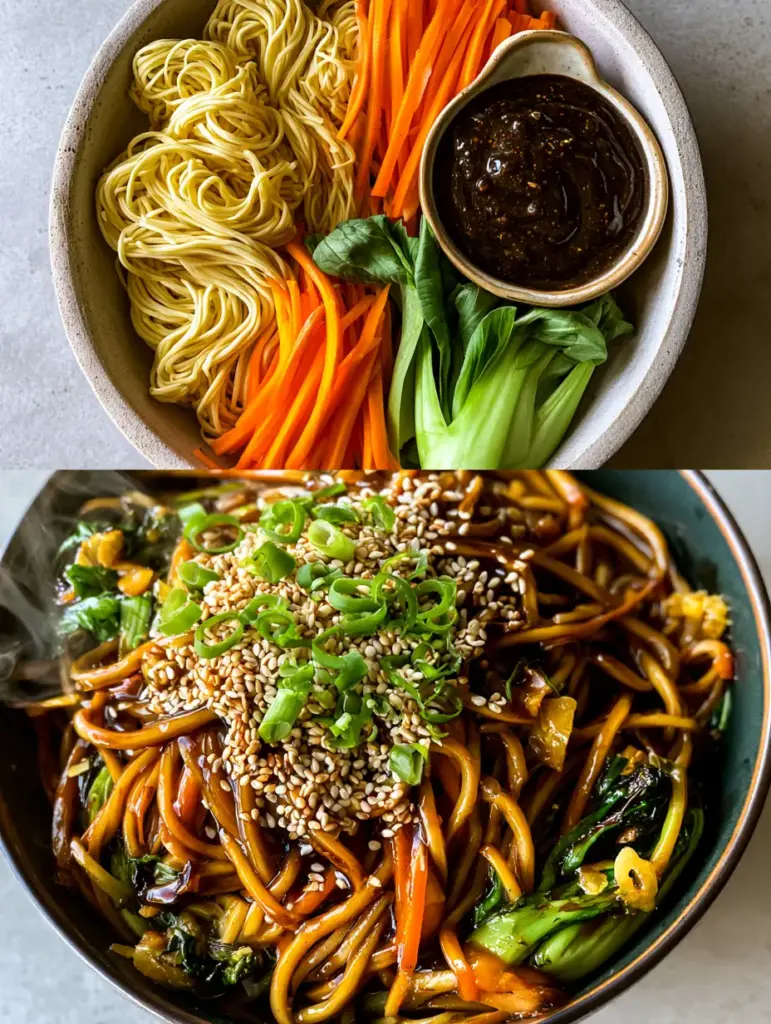
The visual appeal of this dish is undeniable, characterized by the striking contrast between vibrant julienned carrots and the charred, emerald-green edges of wilted bok choy. Every bite offers a symphony of sensations, from the crunch of toasted white sesame seeds to the pungent kick of golden-brown sautéed garlic. This recipe is meticulously crafted to ensure your home-cooked version looks exactly like the glossy, professional plates seen in high-end culinary photography.
Why This Restaurant-Style Lo Mein Will Ruin Takeout Forever
- The Signature Glaze: We use a specific blend of dark and light soy sauces to achieve a shimmering dark amber hue that is as visually stunning as it is delicious.
- Textural Harmony: By julienning the carrots and flash-searing the bok choy, we maintain a perfect “al dente” bite against the soft, yielding egg noodles.
- Maillard Perfection: Our technique for mincing and sautéing garlic ensures golden bits of aromatic joy are distributed throughout the dish, rather than being lost in the sauce.
- Visual Garnish Strategy: A heavy spray of bright green scallions and toasted sesame seeds adds the final layer of professional polish and nutty complexity.
The Secret Pantry Staples for a Shimmering Dark Glaze
To achieve the specific “viscous, shimmering dark amber” look described in our culinary blueprint, the choice of ingredients is paramount. We aren’t just looking for salt; we are looking for pigment, sugar concentration, and emulsification properties.
Long Egg Noodles: Use 12 oz (340g) of fresh or dried long egg noodles. These provide the essential golden-yellow base and the necessary starch content to help the sauce adhere to the surface.
Dark Soy Sauce: You will need 2 tbsp (30ml) of dark soy sauce. This ingredient is thicker and less salty than standard soy, acting primarily as a natural dye to give the noodles that deep amber glow.
Light Soy Sauce: 2 tbsp (30ml) of light soy sauce provides the primary seasoning. It carries the “umami” punch without overwhelming the color of the other vegetables.
Oyster Sauce: 1.5 tbsp (22ml) of high-quality oyster sauce is the secret to the viscosity. It adds a thick, velvety texture that makes the sauce shimmer under natural light.
Toasted Sesame Oil: 1 tsp (5ml) added at the very end. This “invisible” ingredient provides the brilliant highlights and the unmistakable nutty aroma that defines great lo mein noodles.
Fresh Garlic: 4 cloves (20g) of garlic, finely minced. We sauté these until they reach a golden-tan color, adding “bits of minced golden garlic” as seen in our visual blueprint.
Bok Choy: 2 cups (150g) of baby bok choy, halved lengthwise. This allows the leafy tops to wilt while the sturdy stems develop those coveted charred edges during a high-heat sear.
Carrots: 1 large (100g) carrot, julienned into matchsticks. The thin cut ensures they soften just enough to integrate with the noodles while maintaining their bright orange pop.
Aromatic Garnishes: 2 stalks (30g) of green scallions and 1 tbsp (9g) of toasted white sesame seeds. These are non-negotiable for the final “heavy garnish” look.
Cooking Fat: 2 tbsp (30ml) of a high-smoke point oil, such as grapeseed or canola. This is scientifically required to achieve the searing temperatures needed for the bok choy without burning the sauce.
Essential Tools for Achieving Wok Hei at Home
While you can make lo mein noodles in a standard skillet, a few specific tools will help you achieve the professional, caramelized results seen in our handheld smartphone photo reference.
A heavy-bottomed carbon steel wok is the gold standard, as it retains heat exceptionally well. If you don’t have one, a large cast-iron skillet is a fantastic alternative for creating those charred bok choy edges.
You will also need a sharp chef’s knife for the precision julienning of the carrots and a small ceramic dish to premix your sauce. Premixing the glaze is a professional technique that prevents the sugar from burning while you’re scrambling to pour ingredients into a hot pan.
Mastering the Art of the Perfect Lo Mein Stir-Fry
Preparing the Golden Egg Noodle Base
Begin by bringing a large pot of salted water to a rolling boil. If you are using fresh egg noodles, they will only need about 2-3 minutes; dried noodles may take 5-7 minutes. Look for the noodles to be slightly “al dente,” as they will continue to cook and absorb moisture once they hit the shimmering dark amber glaze.
Drain the noodles and rinse them briefly under cold water to stop the cooking process. Shake off as much excess water as possible. This is a critical culinary step; if the noodles are too wet, the sauce will become diluted and lose its viscous, shimmering quality.
Achieving the Charred Bok Choy and Softened Carrots
Set your wok or skillet over high heat until a wispy bead of smoke appears. Add 1 tbsp (15ml) of oil and swirl to coat. Carefully place the bok choy cut-side down into the pan. Leave it undisturbed for 60-90 seconds.
You are looking for a specific sensory cue: the sound of a vigorous sizzle and the visual change of the leaf edges turning dark brown or black. Once charred, toss in the julienned carrots and sauté for an additional minute. The carrots should be softened but still hold their structural integrity. Remove the vegetables from the pan and set aside.
Building the Viscous Dark Amber Glaze
Reduce the heat to medium-high and add the remaining oil. Toss in the minced garlic. Watch closely as it transitions from white to a pale straw color, then finally to a “minced golden garlic” state. Do not let it turn dark brown, or it will become bitter.
Pour in your premixed sauce (dark soy, light soy, oyster sauce, and a pinch of sugar). The sauce will immediately begin to bubble and reduce. This reduction is what creates the “viscous, shimmering” texture. It should look like liquid velvet in the pan.
The Final Toss and Garnish
Add the cooked noodles and the sautéed vegetables back into the wok. Use tongs to lift and fold the noodles, ensuring every single strand is drenched in the dark amber glaze. The high heat will cause the sauce to caramelize slightly against the noodles, creating deep, rich flavor pockets.
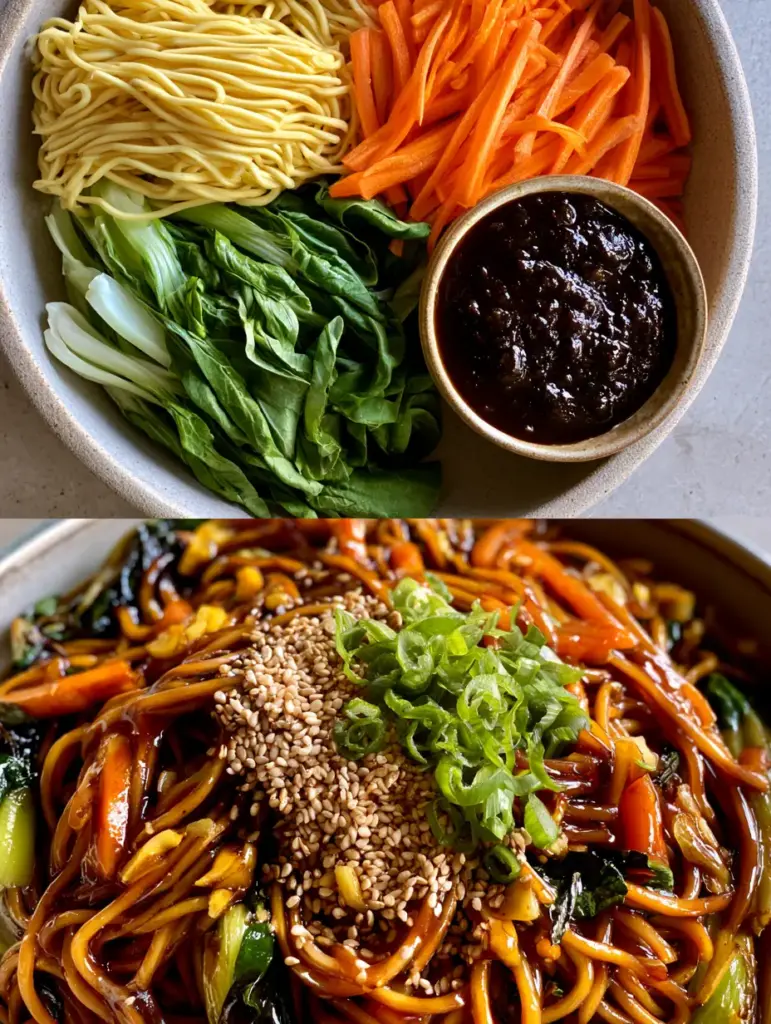
Turn off the heat and drizzle with the toasted sesame oil. This adds a final layer of brilliance to the visual highlights. Transfer the lo mein noodles to a clean stone bowl to match our visual prompt.
Professional Secrets for Non-Sticky, Glossy Noodles
- The Rinse Rule: Always rinse egg noodles in cold water after boiling to remove excess surface starch. This prevents them from clumping into a ball when they hit the hot glaze.
- Sugar Balance: A half-teaspoon of brown sugar in the sauce helps accelerate the Maillard reaction, giving you that deeply caramelized flavor and color more quickly.
- High Heat, Small Batches: If you are doubling this recipe, cook it in two batches. Overcrowding the pan leads to steaming rather than searing, which will ruin the charred edges of your bok choy.
- The Sauce “Cling”: If your sauce is too thin, a tiny slurry of 1/2 tsp cornstarch and 1 tsp water can be added to the glaze to reach that perfect “viscous” consistency.
Preserving that Signature Caramelized Texture
Lo mein noodles are best served immediately while the steam is rising and the glaze is at its most shimmering. However, if you have leftovers, they store remarkably well in an airtight container in the refrigerator for up to 3 days.
To reheat, avoid the microwave if possible, as it can make the noodles rubbery. Instead, toss them back into a hot skillet with a splash of water or a teaspoon of soy sauce. This will loosen the glaze and restore the noodles’ original supple texture.
What to Serve with Your Hand-Tossed Lo Mein
To create a full restaurant-style experience, pair these lo mein noodles with a protein-heavy dish. They go exceptionally well with a side of classic Chinese barbecue pork, which mirrors the sweet and savory notes of the noodle glaze.
If you prefer a lighter accompaniment, consider a crisp cucumber and onion salad or some vinegar-based cucumbers to provide an acidic contrast to the rich, dark sauce. For those who love a bit of fusion, these noodles are the perfect base for a honey garlic beef bowl—just swap the rice for the noodles!
If you’re looking for a vegetable-heavy feast, try serving these alongside some skillet zucchini and mushrooms or a slice of savory zucchini and onion pie for a unique twist on dinner.
Common Questions About Making Lo Mein Noodles
Yes, in a pinch, you can use spaghetti. However, egg noodles provide a specific chewiness and golden color that is traditional for lo mein noodles.
Use a high-smoke point oil and very high heat. Place the bok choy cut-side down and don’t move it for at least 60 seconds to allow the Maillard reaction to work its magic.
Yes, if you want that specific ‘dark amber’ color. Standard soy sauce is salty but won’t provide the same deep, caramelized aesthetic.
The primary difference is the cooking method: lo mein noodles are tossed in sauce, resulting in a soft, supple texture, while chow mein noodles are fried until crispy.
This usually happens if the noodles were not rinsed of excess starch or if the sauce wasn’t reduced enough. Adding a tiny cornstarch slurry can help the sauce become more viscous and ‘clingy’.
The Ultimate Lo Mein Noodles Recipe
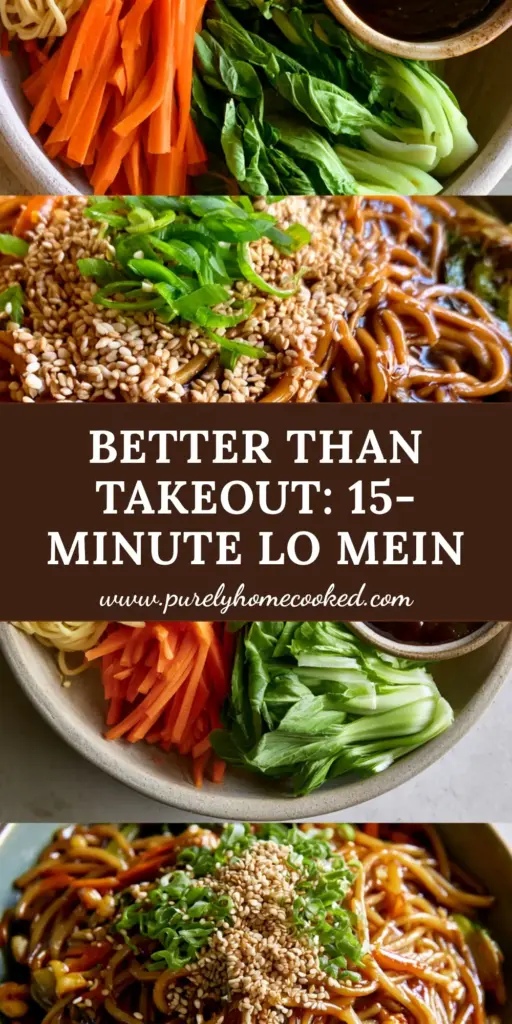
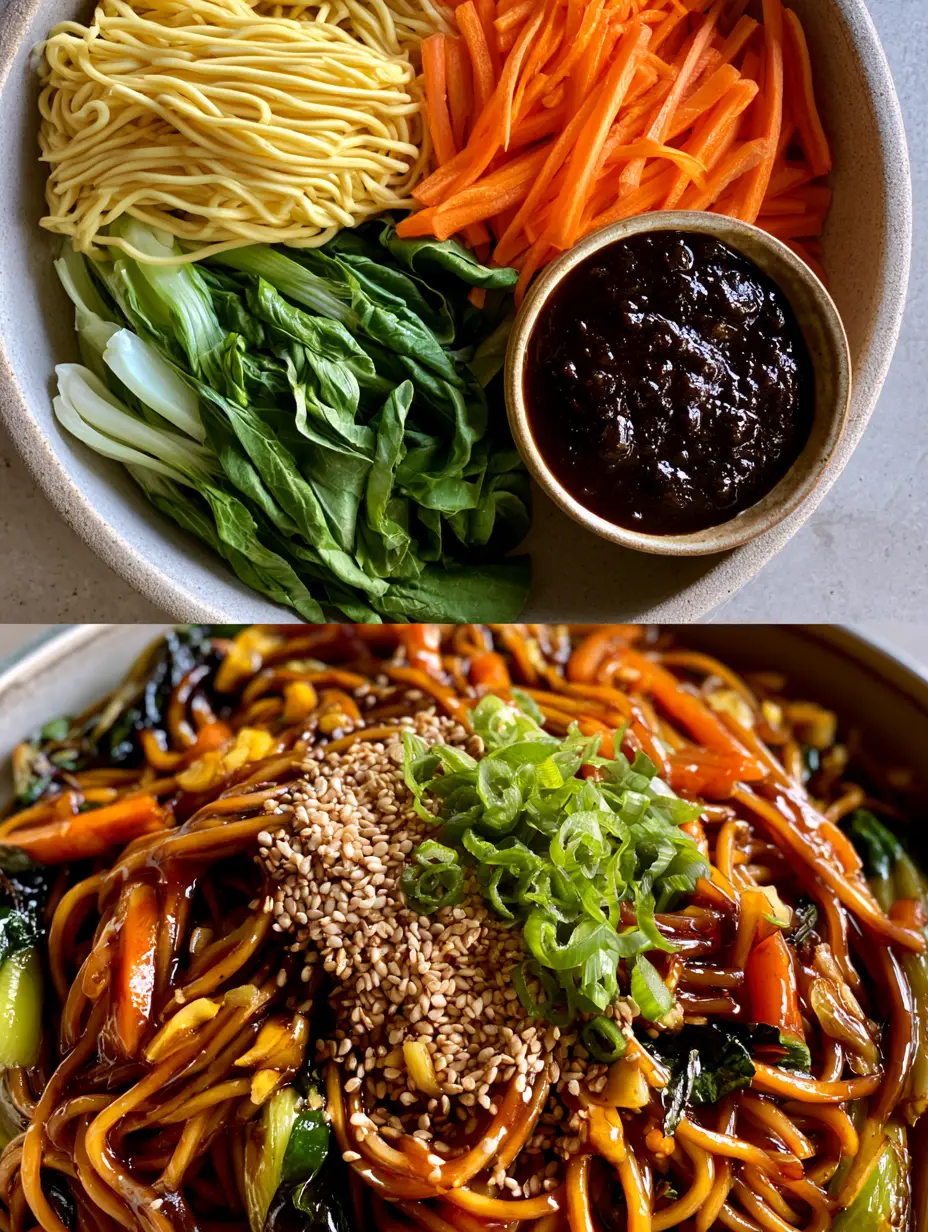
Lo Mein Noodles with a Shimmering Dark Amber Garlic Soy Glaze
Ingredients
Equipment
Method
- Boil the egg noodles in salted water until al dente. Drain and rinse with cold water to remove excess starch.
- In a small bowl, whisk together the dark soy, light soy, and oyster sauce until fully combined.
- Heat oil in a wok over high heat. Sear bok choy cut-side down until charred (approx 90 seconds). Add carrots and sauté for 1 minute.
- Reduce heat slightly, add more oil if needed, and sauté minced garlic until golden brown and fragrant.
- Add noodles and sauce to the wok. Toss vigorously over high heat until the noodles are drenched in a shimmering dark amber glaze. Garnish with sesame seeds and scallions.
Notes
Use dark soy sauce specifically for that restaurant-quality amber color.
Bring the Taste of the Wok to Your Table
Creating professional-quality lo mein noodles at home is all about mastering the balance of heat and high-quality sauce components. By following these steps to achieve charred bok choy and a shimmering dark amber glaze, you are elevating a simple noodle dish into a gourmet experience. We hope this becomes a staple in your weekly dinner rotation!
If you enjoyed this recipe, please leave a comment below and let us know how your charred edges turned out! Don’t forget to sign up for our newsletter for more culinary deep-dives and share this recipe to your favorite boards on Pinterest.