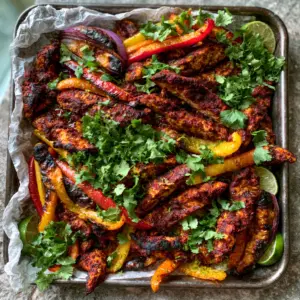
When you think of traditional Indian foods, your mind likely drifts to the intoxicating aroma of toasted spices and the sight of a vibrant, simmering curry. There is something deeply comforting about a thick, velvety gravy served in a rustic copper bowl, catching the soft daylight of a kitchen window.
This recipe captures the essence of a restaurant-style master gravy—a foundational element in Indian cuisine. Whether you are dipping a piece of charred garlic naan into its depths or admiring the golden oil droplets on the surface, this dish is a sensory masterpiece.
Mastering this gravy allows you to bring the authentic flavors of a Delhi kitchen into your own home. By focusing on the marriage of slow-cooked aromatics and whole tempered spices, we achieve a depth of flavor that is truly world-class.
The Signature Textures of Authentic Indian Gravy
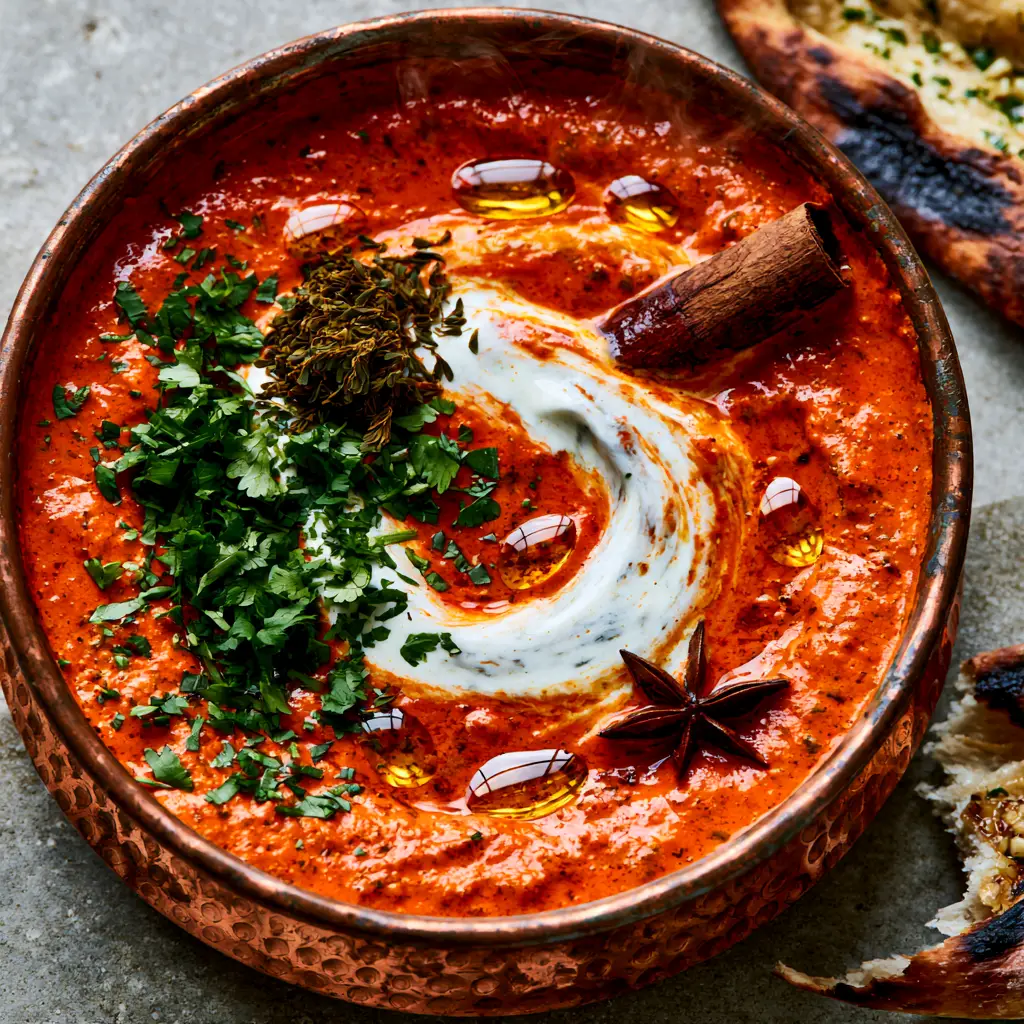
- Vibrant Visuals: A deep orange-red hue achieved through the natural caramelization of onions and tomatoes combined with Kashmiri chili.
- Velvety Mouthfeel: A smooth, thick consistency that holds a heavy swirl of fresh cream without breaking.
- Aromatic Depth: The presence of whole star anise and cinnamon sticks provides a woody, sweet undertone that lingers on the palate.
- The Perfect Garnish: A contrast of bright green cilantro and the earthy, muskiness of dried fenugreek leaves (kasuri methi).
Essential Components for This Traditional Indian Base
To recreate the visual and culinary magic of traditional Indian foods, you need specific ingredients that build layers of flavor. Every element serves a purpose, from the whole spices to the finishing fat.
Yellow Onions and Vine-Ripened Tomatoes: These form the “masala” base. 2 large onions (300g) and 4 medium tomatoes (450g) are finely diced and sautéed until they meld into a thick paste.
Whole Cinnamon Stick and Star Anise: These are the “soul” of the gravy. One 3-inch (7.5cm) cinnamon stick and one whole star anise are toasted in oil to release essential oils that perfume the entire dish.
Heavy Cream (Double Cream): 1/4 cup (60ml) of heavy cream is used to create that iconic marble swirl. It provides a cooling contrast to the warm spices and creates a luxurious texture.
Dried Fenugreek Leaves (Kasuri Methi): 1 tsp (1g) of these leaves, crushed between your palms, adds a bittersweet aroma that is the hallmark of professional Indian cooking.
Garlic and Butter: Essential for the naan side. 4 cloves (12g) of minced garlic and 2 tbsp (30g) of melted butter ensure the bread is as flavorful as the gravy itself.
If you enjoy exploring complex spice profiles, you might also find the flavor depth in our Moroccan harissa chicken equally fascinating.
Tools for a Professional Culinary Finish
Achieving the macro-shot perfection seen in our blueprint requires a few specific kitchen tools. A heavy-bottomed skillet or a traditional kadai is best for heat distribution.
You will also need a high-powered blender to achieve that “velvety” texture. Once the onion-tomato base is cooked, it must be blitzed until completely smooth before the final tempering of oil.
For the naan, a cast-iron skillet or a pizza stone is necessary to replicate the intense heat of a tandoor. This creates the charred, bubbly exterior that makes traditional Indian foods so visually striking.
Developing the Master Gravy: Step-by-Step
1. Tempering the Whole Spices
Heat 3 tbsp (45ml) of neutral oil in a large pan over medium heat. Add the whole cinnamon stick and star anise, watching for small bubbles to form around the spices.
As soon as you smell a sweet, woody aroma, add 1 tsp (2g) of cumin seeds. This process, known as “tadka,” infuses the fat with flavor that will permeate every bite of the traditional Indian foods base.
2. Building the Masala Base
Add the finely chopped onions and cook for 12-15 minutes. You are looking for a deep golden brown—this is where the “orange-red” color begins to develop.
Stir in 1 tbsp (15g) of ginger-garlic paste and sauté until the raw smell disappears. This aromatic foundation is similar to the base used in our moo shu chicken, demonstrating how aromatics define global cuisines.
3. The Tomato Reduction
Add the pureed tomatoes along with 1 tsp (5g) of salt and 1 tsp (2g) of Kashmiri red chili powder. Cover and simmer on low heat for 20 minutes.
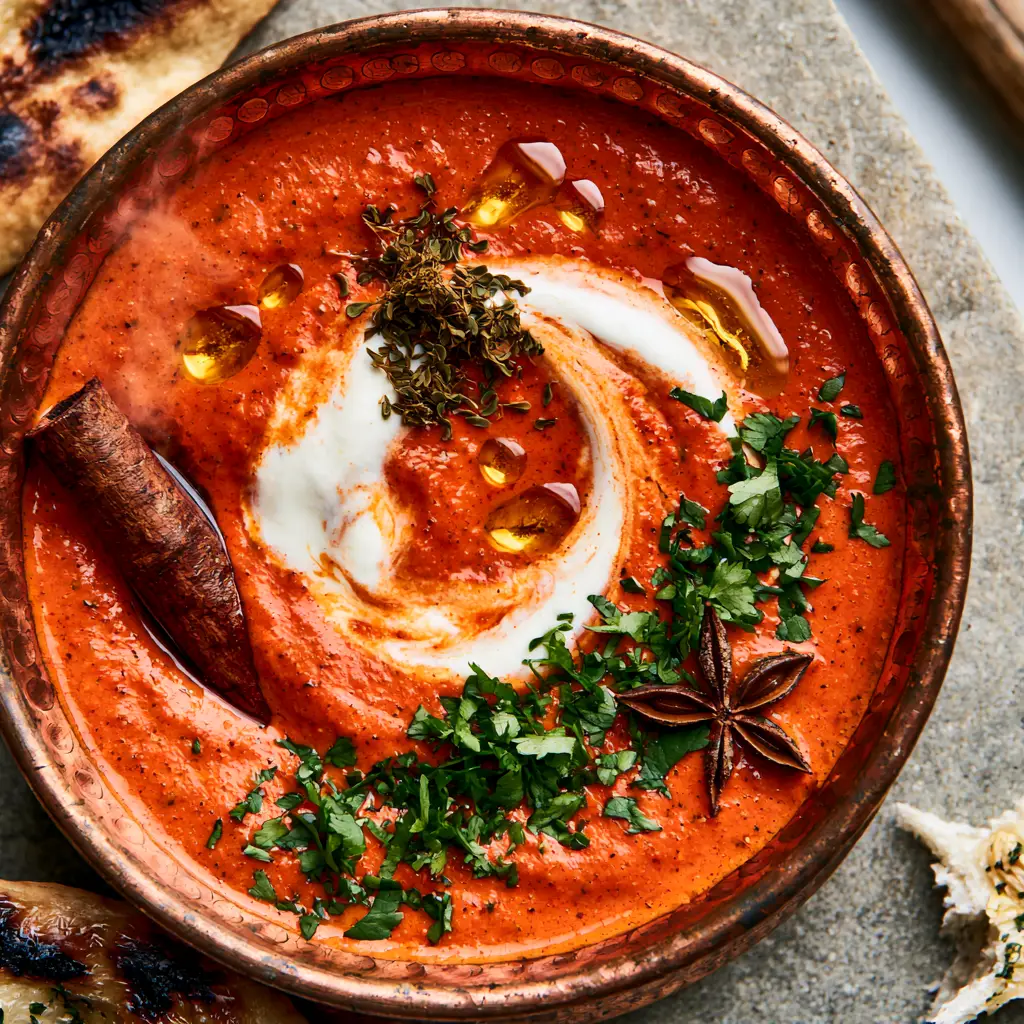
You will know it is ready when the “golden oil droplets” begin to separate from the sauce and rise to the surface. This “oil separation” is a critical sensory cue for authentic Indian cooking.
4. Achieving the Velvety Texture
Remove the cinnamon stick and star anise temporarily. Carefully pour the mixture into a blender and process until completely smooth. Return it to the pan and add the spices back in.
Whisk in 1/2 cup (120ml) of warm water to reach a thick, pourable consistency that coats the back of a spoon. If you prefer a lighter meal, this base works surprisingly well with seafood, much like the flavors in our shrimp fried rice.
Mastering the Charred Garlic Naan
While the gravy simmers, prepare your naan. Use a high-moisture dough and stretch it by hand into teardrop shapes. Brush one side with water and press it onto a smoking-hot cast iron skillet.
Once bubbles form, flip the skillet over the open flame for 30 seconds to get those “charred” spots. Immediately brush with a mixture of melted butter, minced garlic, and fresh cilantro.
Tear a piece of the warm bread while it is still steaming. The contrast between the soft dough and the crisp, charred edges is the perfect vehicle for the rich gravy.
Expert Tips for the Perfect Copper Bowl Presentation
- The Cream Swirl: Use a spoon to drizzle the cream in a circular motion starting from the center. Do not stir it in; let the natural convection of the hot gravy create the marbled effect.
- Golden Oil Infusion: For extra visual pop, heat 1 tsp (5g) of ghee with a pinch of paprika and drizzle it over the top just before serving to create those shimmering droplets.
- Herb Freshness: Only chop your cilantro seconds before garnishing. The bright green color provides the necessary visual contrast against the orange-red sauce.
- Kasuri Methi Trick: Always toast the dried fenugreek leaves in a dry pan for 30 seconds before crushing them to reactivate their oils.
The Best Ways to Store and Reheat
Traditional Indian foods often taste better the next day as the spices continue to meld. Store the gravy in an airtight container in the refrigerator for up to 4 days.
To reheat, place the gravy in a saucepan over low heat. You may need to add a splash of water (about 2 tbsp or 30ml) to loosen the consistency, as the starches thicken when cold.
Avoid microwaving the naan if possible. Instead, wrap it in foil and place it in a 350°F (175°C) oven for 5 minutes to restore its pillowy texture.
What to Serve With Your Indian Masterpiece
This master gravy is incredibly versatile. You can add grilled paneer, roasted cauliflower, or even leftover chicken to create a complete meal.
If you’re looking for a refreshing palate cleanser, a cold dessert like our instant ice cream is a fantastic way to end a spice-forward meal.
For those who prefer a fusion twist, try serving the gravy over a bed of seasoned rice, similar to the techniques used in salmon rice bowls.
Common Questions About Traditional Indian Cooking
Yes! Substitute the heavy cream with full-fat coconut milk or cashew cream and use oil or vegan butter for the naan to maintain the traditional Indian foods profile while being plant-based.
This is a sign of a well-cooked masala. When the water from the tomatoes evaporates, the oil separates and rises to the top, carrying the flavors of the fat-soluble spices.
The color comes from the combination of slow-caramelized red onions, pureed tomatoes, and the use of Kashmiri red chili powder, which is known for its intense color rather than high heat.
Kasuri Methi provides a unique, slightly bitter, and maple-like aroma that is essential for that specific ‘restaurant-style’ flavor found in many traditional Indian gravies.
Copper bowls, often lined with stainless steel, are traditional because they retain heat exceptionally well, keeping the gravy warm throughout the meal while providing a rustic, authentic aesthetic.
Authentic Indian Master Gravy with Garlic Naan Recipe
Traditional Indian Foods: The Ultimate Master Gravy and Garlic Naan
Ingredients
Equipment
Method
- Heat oil in a skillet. Add cinnamon and star anise. Sauté for 1 minute until fragrant and the cinnamon stick slightly unfurls.
- Add chopped onions. Cook for 12-15 minutes until deep golden brown. Stir in ginger-garlic paste for 2 minutes.
- Add tomato puree and chili powder. Simmer for 20 minutes until oil droplets separate. Remove whole spices and blend until velvety smooth.
- Roll dough thin. Press onto a hot skillet until bubbly. Flip over open flame to create charred spots.
- Brush immediately with melted butter, minced garlic, and fresh cilantro.
- Pour gravy into a copper bowl. Drizzle heavy cream in a swirl. Scatter fenugreek leaves and cilantro on top. Serve with torn naan.
Notes
Ensure the cream is at room temperature to prevent it from curdling in the hot gravy.
Bring the Flavors of India Home
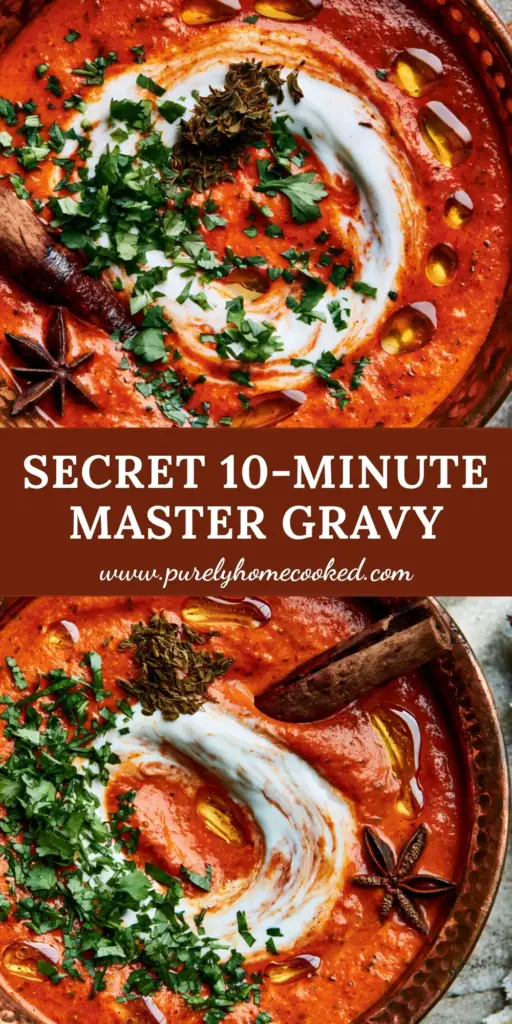
This exploration of traditional Indian foods shows that restaurant-quality results are achievable with patience and the right techniques. From the steam rising off the copper bowl to the first bite of garlic-infused naan, this is a recipe designed to impress.
We would love to see your culinary creations! If you make this master gravy, leave a comment below and tell us how your “cream swirl” turned out. Don’t forget to save this recipe to your “International Favorites” board on Pinterest.